Lose Weight with GLP-1 Medications
Explore the leading GLP-1 Weight-Loss Injections and Programs in NYC
GLP-1 Medications for Weight Loss
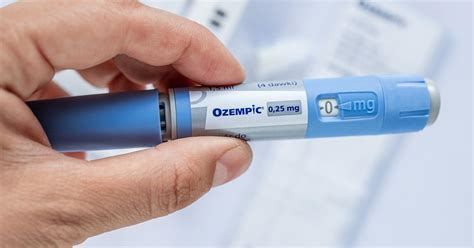
GLP-1 receptor agonists are a category of weight-loss injections, including Tirzepatide (Zepbound®, Mounjaro®) also known as GIP/GLP-1s, and Semaglutide (Ozempic®, Wegovy®).
These medications help with weight loss by mimicking the natural GLP-1 hormone receptor, which signals fullness and regulates glucose or blood sugar in your body.
The GLP-1 drug medication works to slow digestion, reduce food and snack cravings, and helps the body burn fat more efficiently. They are used for weight control and have shown significant weight loss results in people struggling with obesity and high BMI (Body Mass Index).
Types of GLP-1s
- Mounjaro® and Zepbound® (Tirzepatide) – Works on GLP-1 and GIP for a stronger weight-loss effect
- Ozempic® and Wegovy® (Semaglutide) – Focuses only on GLP-1 for appetite suppression and glucose control
- Saxenda® (Liraglutide) - Works on GLP-1 for food craving control and blood sugar control
These Weight Loss Drug Medicines help adults with obesity and those who are overweight due to weight-related medical and health conditions lose weight and keep it off. Reduced caloric intake, diet and exercise help make these medications more effective.
Weight-loss injections
Weight-Loss Injections are rapidly gaining popularity, especially among individuals who have found traditional weight loss methods including diet and exercise lone unsuccessful when it comes to losing weight. Over almost 18 million people in the USA have turned to injectable weight loss medications for assistance.
Injectable subcutaneous medications typically lead to more weight loss than oral medications or diet and exercise alone. They stimulate natural body processes to support weight loss by addressing common challenges including appetite, digestion, metabolism, glucose levels, fat distribution and absorption.
How GLP-1 weight-loss injections work
For some people, hormonal imbalances cause increased hunger and cravings, making weight loss more difficult. These weight loss treatments are approved for people with obesity and a BMI of 30 or more, and others with health conditions and a BMI of 27 or more who haven’t been able to lose weight with diet and exercise alone.
Weight-loss injections can help reduce cravings and hunger, increase caloric burn, slow digestion, and help prevent fat absorption, depending on the specific GLP-1 treatment.
Here’s how each type generally works:
- Appetite & Cravings Control: Injections mimic hormones that signal fullness in your body and slow digestion helping to reduce calorie intake without constant hunger signals.
- Metabolism Boost: Injections help the body burn calories more efficiently by increasing metabolic rate, making the body use more energy even at rest.
- Glucose Regulation: By enhancing insulin secretion and lowering glucagon levels, they help manage blood sugar levels effectively.
- Fat Absorption Reduction: Injections can help block the absorption of fat, meaning less fat is absorbed from food,
Benefits of GLP-1 medications
- Fast results. Results can be seen within a few weeks, typically 4 to 6 weeks, especially when combined with lifestyle changes such as diet and physical exercise
- Convenient at-home dosing, subcutaneous injections come in measured injector pen kits for ease of use
- Reduced risk of high blood pressure, stroke, and diabetes as GLP-1 drugs help modulate insulin and glucose
- A clinically proven method that works when other diets and treatments have failed
When other weight reduction methods have failed, GLP-1 injections can offer real, visible results. They are most effective when paired with healthy lifestyle habits.
How to take weight-loss injections
Typically, weight-loss injections are taken once daily or weekly, depending on the specific medication prescribed by you provider.
Following the prescribed schedule is important for the injections to be effective.
- Daily injections: often taken in the morning to help curb hunger and increase energy levels throughout the day
- Weekly injections: common for most GLP-1 injectables provide long-lasting effects and typically work over time to adjust appetite and metabolism. These offer a less frequent dosing schedule
Most weight-loss injections are subcutaneous, meaning they are injected just under the skin into the fatty tissue around the belly or hips. The process is designed to be as simple and pain-free as possible, with minimal discomfort and no bleeding. The injection area should be rotated with each dose to avoid irritation.
Common areas for administering weight loss injections include:
- Abdomen (belly)
- Upper thigh
- Upper arm
Expected weight loss from injections
Results can vary from person to person, but many patients begin to see weight loss within a few weeks of starting injections. On average, people may lose 1-2 pounds per week.
Results typically begin to be seen between 4 to 6 weeks, with a 3% to 6% reduction in body weight. Some individuals have seen dramatic weight loss of 15% to 20% of their body weight over 12 to 18 month although this not typical of the average patient.
Slow, steady weight loss over time is typical, with the most significant weight loss occurring around three to nine months after treatment begins.
How to get GLP-1 medications online
Many weight loss clinics now offer online consultations to make accessing weight loss injections easier. Patients can speak with a licensed professional through a virtual portal visit, get a prescription, and have the medication shipped directly to their home. It’s a convenient option for those who prefer to manage their health privately and efficiently. Manhattan HRT offers Semaglutide/Tirzepatide/Liraglutide weight loss programs.
Contact us for more GLP-1 Weight Loss Info.
Are weight-loss injections right for you?
If you’ve tried traditional methods like diet and exercise without success, weight-loss injections might be a good fit. Your general practitioner or Weight Loss Specialist in Manhattan can help you learn if injections are appropriate for your health needs and lifestyle goals.